Solar energy is inexhaustible

Renewable energy | Types, Advantages, & Facts | Britannica
· In contrast, renewable energy sources accounted for nearly 20 percent of global energy consumption at the beginning of the 21st century, largely from traditional uses of biomass such as wood for heating and cooking 2015 about 16 percent of the world''s total electricity came from large hydroelectric power plants, whereas other types of renewable energy (such

solar energy summary | Britannica
Solar energy is inexhaustible and nonpolluting, but there is inherent inefficiency in converting light to electricity. In the 21st century solar energy is expected to become increasingly attractive as a renewable energy source and as a useful tool in the fight against anthropogenic global warming .

Writing Workshop: Exploring Argument Flashcards
Solar energy is not a suitable solution for all climates due to shorter hours of daylight. Solar power requires a large area for the solar panels, which may be a problem in urban areas. Solar energy already serves an important role in providing electricity to remote areas. With continued support, solar energy will clearly become the energy of

The truth about renewable energy: Inexpensive, reliable, and
The truth about renewable energy: Inexpensive, reliable, and inexhaustible Don''t believe the common myths about renewable energy. Real-world experience is shattering long-held assumptions every day.

Solar energy: an inexhaustible source of energy
Solar energy is a technology for generating electrical energy or thermal energy by converting solar energy.The generation of electricity by converting solar energy is also known as solar power or photovoltaics. The sun is an inexhaustible source of energy.Solar panels can be placed on the ground as well as on the roofs of buildings.

Renewable and Non-Renewable Resources: Difference
Examples include solar energy, wind, and water. Their use doesn''t lead to long-term depletion as long as they are managed responsibly. According to the International Energy Agency, renewable energy sources accounted for almost 30% of global electricity generation in 2021, and this share is expected to grow in the coming decades.

Inexhaustible Guide to Renewable Energy Sources | Ygrene
Renewable energy is also synonymous with sustainable energy, inexhaustible energy, and clean energy. (It''s important to note that clean energy does have some room for interpretation. Since nuclear energy is a low-carbon power source, some define nuclear energy as a

Renewable Energy Advantages & Disadvantages | IBM
Solar energy, wind energy, hydropower, geothermal energy and biomass energy generation is better for the planet than the burning of fossil fuels including oil, natural gas and coal. Inexhaustible supply. One of the main benefits of renewable energy sources like the sun, wind and water is that they will never run out. In contrast, non
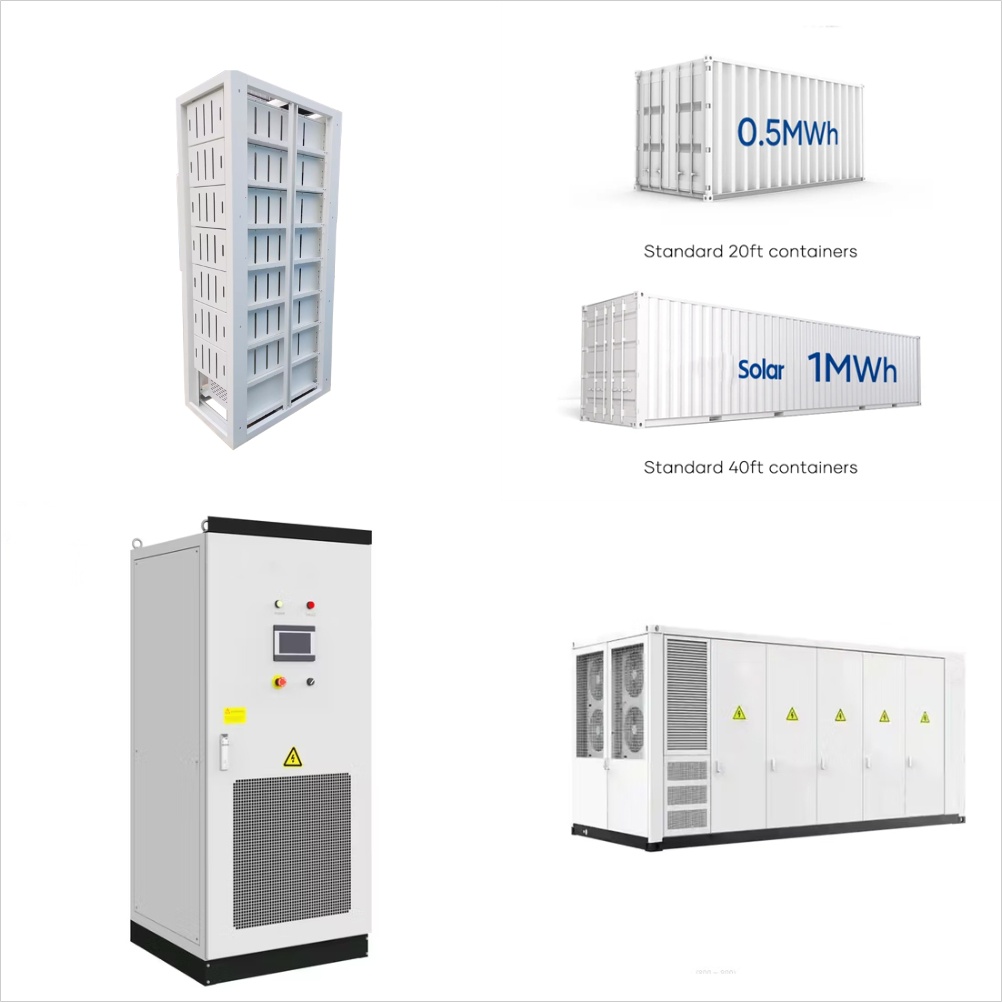
Solar Energy
Solar energy is radiant light and heat from the Sun, and can be harnessed using a range of technologies such as solar heating, solar photovoltaic and solar thermal electricity. Solar energy is a renewable source of energy that is sustainable and totally inexhaustible, unlike fossil fuels that are

Renewable energy sources: definition, types and stocks
Like solar energy, wind energy is an inexhaustible but intermittent renewable energy because it depends on the force of the wind. Wind turbines can be installed on land or at sea, and are called onshore and offshore wind turbines respectively.

Is Solar Energy Renewable or Nonrenewable?
Renewable and Sustainable: As discussed earlier, solar energy is an inexhaustible resource, making it a reliable and sustainable energy source. Reduces Electricity Bills: Solar panels generate power, significantly lowering

Renewable Energy Explained
Strictly speaking, renewable energy is just what you might think: perpetually available, or as the United States Energy Information Administration puts it, "virtually inexhaustible." But "renewable" doesn''t necessarily mean sustainable, as opponents of corn-based ethanol or large hydropower dams often argue. It also doesn''t encompass other low

Benefits of Renewable Energy Use
Renewable energy—wind, solar, geothermal, hydroelectric, and biomass—provides substantial benefits for our climate, our health, and our economy. Inexhaustible energy. Strong winds, sunny skies, abundant plant matter, heat from the earth, and fast-moving water can each provide a vast and constantly replenished supply of energy.

Renewable Energy — What You Need to Know
Sources of renewable energy are also, generally speaking, vast and inexhaustible. Types of renewable energy: Pros and cons. Below is a brief outline of the various forms of renewable energy: Solar. In basic terms, solar power is created by converting sunlight into electricity. Most commonly, this occurs via the installation and use of

Solar Energy: Definition, Thermal Energy, Applications and
Solar energy is renewable energy as its source is inexhaustible and it has also non-polluting characters. Solar Energy will be the direct replacement to the finite fossil fuels such as coals, petroleum and natural gas.

Solar Energy
Solar energy is a form of renewable energy, in which sunlight is turned into electricity, heat, or other forms of energy we can use is a "carbon-free" energy source that, once built, produces none of the greenhouse gas emissions that are driving climate change. Solar is the fastest-growing energy source in the world, adding 270 terawatt-hours of new electricity

Solar energy | Definition, Uses, Advantages, & Facts | Britannica
Solar energy—power from the sun—is a vast, inexhaustible, and clean resource. Solar electricity generation represents a clean alternative to electricity from fossil fuels, with no

Why is solar energy considered an inexhaustible resource?
Is hydroelective energy renewable, nonrenewable, or inexhaustible? Explain. How does solar energy drive the water cycle? How does solar energy affect the biosphere? How does solar energy affect the water cycle? In what way does renewable energy differ from nonrenewable energy? How can water be used as a renewable energy resource?

Solar energy technology and its roles in sustainable development
Solar energy is environmentally friendly technology, a great energy supply and one of the most significant renewable and green energy sources. It plays a substantial role in achieving sustainable development energy solutions. A long-term energy development plan needs an energy source that is inexhaustible, virtually accessible and simple to

Is solar energy clean energy?
Sources like solar, wind and hydroelectric energy are clean, renewable options. Solar energy, in particular, takes advantage of the sun which is an abundant and inexhaustible power source. Unlike fossil fuels that are finite and damaging, solar energy is sustainable. Globally, solar power usage has skyrocketed.

Is Solar Energy Renewable or Nonrenewable? | EnergySage
So, as long as the sun is shining, solar energy will be around. (For reference, NASA scientists say the sun is about halfway through its lifetime, which means that we have about 4.5 billion years to take advantage of solar energy.) Solar energy is a remarkably dependable energy resource and will always be available for us to use.

Renewable Energy: Definition, Sources, Types & Advantages
Advantages of renewable energy. Few advantages of renewable energy are: Inexhaustible Supply: Renewable energy sources like solar, wind, and water are abundant and will never run out, unlike non-renewable resources. This ensures a sustainable energy future. Carbon-Free Energy Generation: Renewable energy significantly reduces carbon emissions

Is Solar Energy Renewable or Nonrenewable?
Renewable and Sustainable: As discussed earlier, solar energy is an inexhaustible resource, making it a reliable and sustainable energy source. Reduces Electricity Bills: Solar panels generate power, significantly lowering utility bills. This feature can result in substantial savings over time.

Is Solar Energy Renewable or Non-Renewable [2024 Guide]
The U.S. Department of Energy confirms this, stating that "solar energy is a renewable resource, meaning it is inexhaustible and will not run out as long as the sun exists." This official acknowledgment reinforces the idea that solar energy is both renewable and environmentally friendly, making it a crucial part of our clean energy future.

Solar energy: an inexhaustible source of electricity
SOLAR ENERGY, WHAT IS IT AND HOW DOES IT WORK? It is an inexhaustible source of clean energy, an accessible and, moreover, silent technology. Placing solar energy in a historical moment is a complex task, since instruments for the use of solar light and heat were already being used in Ancient Greece as early as 400 BC. Years later, in Ancient

Inexhaustible Flows?
I recently came across a statement to the effect that once we transition away from fossil fuels to renewable energy like solar, wind, and hydro, we would essentially be home free for the long run—tapping into inexhaustible flows is a very pleasant notion, to be sure, and one that I believe is relatively common among enthusiasts for renewable energy.

Solar energy
Solar energy is an inexhaustible source of green energy as well as being the main source of energy on Earth. Find out about its history, how it is produced and its benefits. Today, after nearly 150 years since the onset of the first photovoltaic cell, solar energy is the fastest growing renewable energy source (+24% yearly, according to the

6 FAQs about [Solar energy is inexhaustible]
Is solar a viable energy source?
Given the abundance of sunshine across the country, solar has the potential to supply a rapidly growing amount of electricity that is environmentally and economically attractive, nationwide. References: National Renewable Energy Laboratory (NREL). 2014a.
Is solar energy a clean resource?
Published Sep 10, 2015 Updated Sep 16, 2015 Solar energy—power from the sun—is a vast, inexhaustible, and clean resource.
Why should solar energy be more expensive than fossil fuels?
The goal is to make the cost of solar energy as competitive as fossil fuel to help the solar energy market grow. Solar energy is virtually inexhaustible and most abundant energy resources – earth receives more power from the sun in 1 h than global energy needs for 1 year.
Why is solar energy so important?
Solar energy—power from the sun—is a vast, inexhaustible, and clean resource The solar resource is enormous. Just 18 days of sunshine on Earth contains the same amount of energy as is stored in all of the planet's reserves of coal, oil, and natural gas.
Is solar energy free?
And once a system is in place to convert the solar resource into useful energy, the fuel is free. Just 18 days of sunshine on Earth contains the same amount of energy as is stored in all of the planet's reserves of coal, oil, and natural gas. Outside the atmosphere, the sun's energy contains about 1,300 watts per square meter.
Is solar energy a carbon-free energy source?
It is a “carbon-free” energy source that, once built, produces none of the greenhouse gas emissions that are driving climate change. There are several ways to turn sunlight into usable energy, but almost all solar energy today comes from “solar photovoltaics (PV).”
Related Contents
- Solar energy is inexhaustible
- Solar energy humor
- Recommendation for solar energy company
- An example of passive solar energy
- Shanghai aiko solar energy co ltd Finland
- What is solar energy used for
- Analysis of solar energy aggregation under various billing mechanisms ieee
- Powered by solar energy Bahamas
- Alternative energy sources solar system
- Solar energy events 2024
- Solomon Islands solar valley energy solutions inc
- Slovenia solar corp energy